Reading room
Recommended reading for professional do-nothings.
A Pattern Language
Christopher AlexanderAlexander catalogs 253 patterns for building environments that make people feel alive—from the scale of a region down to the placement of a window seat. The argument is that most modern buildings and cities fail because they ignore patterns humans have relied on for centuries: low buildings, narrow streets, accessible green space, rooms with light from two sides. Dense, eccentric, and genuinely useful whether you’re designing a house or just trying to understand why your apartment feels wrong.

À rebours
Joris-Karl HuysmansThe original dropout novel, written in 1884. Des Esseintes severs every tie to polite society and retreats into a private world of his own construction—perfumes, rare books, strange art, a tortoise encrusted with jewels. He doesn’t escape to nature. He escapes inward. Decadent, excessive, and completely sincere. The book that scandalized Paris and launched a thousand bohemians.
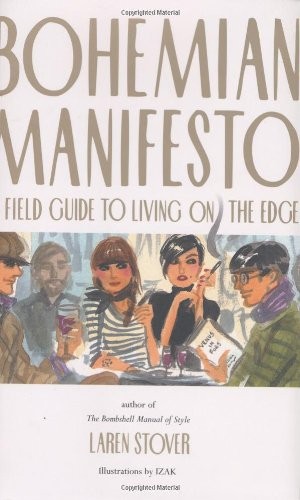
Bohemian Manifesto
Laren StoverMore coffee table than manifesto. Stover maps out the different types—the gypsy bohemian, the zen bohemian, the beat, the dandy—and traces their sensibilities through food, fashion, habitat, and philosophy. Useful for understanding the tradition you’re already inside. Read it and figure out which type you are.
Catching the Big Fish
David LynchShort chapters, big ideas. Lynch’s argument is simple: go deep enough into the silence and the ideas come to you. You don’t chase them. Transcendental Meditation is the vehicle he uses, but the underlying point holds regardless of your spiritual commitments. Creativity requires stillness. Lynch just explains why.
Doing Nothing
Tom LutzA cultural history of deliberate idleness from ancient Greece to the slackers of the 1990s. Lutz traces the long argument between the workers and the loafers—the Protestant ethic on one side, the bohemians and flaneurs on the other—without pretending the loafers always win. Sympathetic and funny.
Early Retirement Extreme
Jacob Lund FiskerNot for the faint of heart. Fisker is talking 75% savings rate, deep frugality as a philosophy, and early out from the wage machine—not at 55, but at 35. Even if you don’t go all the way, the framework will permanently alter how you think about money, work, and what “enough” actually means. The math is cold and clarifying.

Escape Everything!
Robert WringhamWringham quit his library job, shed his obligations one by one, and wrote this book about how he did it. Part memoir, part manifesto, part practical guide to reducing your commitments until you can breathe again. A natural companion to Hodgkinson’s idleness—where Hodgkinson lounges, Wringham runs for the exit. Both arrive at the same place.

How to be Idle
Tom HodgkinsonThe book that made idleness feel like a vocation. Hodgkinson goes hour by hour through the idle day—lie-ins, the pub at noon, the afternoon nap, the late night—and constructs a full philosophical defense of doing less. He takes Bertrand Russell seriously, he quotes Dr. Johnson, he’s cheerful about the whole thing. Required reading. Start here.
In Praise of Idleness
Bertrand RussellRussell wrote this essay in 1932 and it hasn’t aged a day. His argument is clean: the work ethic is a con sold to the poor by the rich, and a four-hour workday would make everyone happier, healthier, and more creative. He says it with the calm authority of a man who won a Nobel Prize and still had time to get arrested at protests. The essay is short enough to read on a lunch break, which is fitting.
Just Kids
Patti SmithSmith arrived in New York in 1967 with nothing and moved into the Chelsea Hotel with Robert Mapplethorpe. They were broke, they made art anyway, and this memoir tells the story of those years with a poet’s eye for detail and a refusal to romanticize the suffering. The poverty is real, the creative commitment is absolute, and the friendship at the center is one of the great love stories in American letters. Pairs well with the Hotel Chelsea book on this shelf.
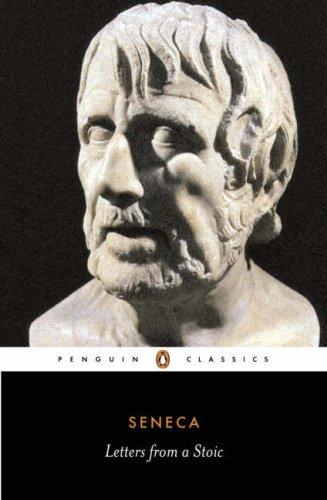
Letters from a Stoic
SenecaSeneca was one of the richest men in Rome and spent his letters arguing that wealth is a tool, not a goal, and that voluntary discomfort is the best hedge against fear. He’s practical where other philosophers are abstract: how to use your time, how to handle anger, how to think about death. Two thousand years old and still the most useful advice you’ll read this year.
No Logo
Naomi KleinKlein traces how corporations stopped making things and started making brands—colonizing public space, exploiting cheap labor, and turning every surface into an advertisement. Published in 2000, it reads now like a prophecy that came true. The chapters on brand identity as a replacement for genuine culture are directly relevant to anyone trying to figure out why they feel compelled to buy things they don’t need. The corporate side of the trap this site argues against.
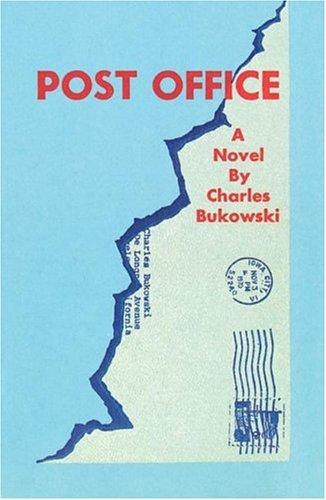
Post Office
Charles BukowskiBukowski’s first novel, written at fifty, about his twelve years as a postal carrier. It’s an anti-work book disguised as a comedy. The job is soul-crushing, the bosses are petty tyrants, and the narrator drinks his way through all of it with a flat honesty that never asks for sympathy. If you’ve ever sat at a desk and felt your life ticking away, you’ll recognize every page. Short, mean, and funny.
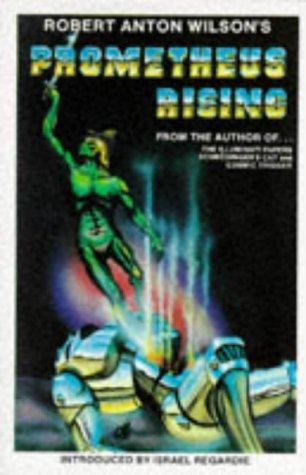
Prometheus Rising
Robert Anton WilsonWilson’s manual for reprogramming the nervous system. Part neuroscience, part occultism, entirely strange. The premise is that your brain runs on circuits installed in childhood, and with enough effort you can rewrite them. The exercises actually work, or at least do something. Read it skeptically. That’s how Wilson would want you to read it.

Small Is Beautiful
E.F. SchumacherSubtitled “Economics as if People Mattered,” which tells you everything. Schumacher argues that the obsession with growth—bigger companies, bigger output, bigger GDP—makes people miserable and destroys the planet. He proposes human-scale economics: local production, appropriate technology, work that dignifies the worker. Published in 1973 and more relevant now than when he wrote it.
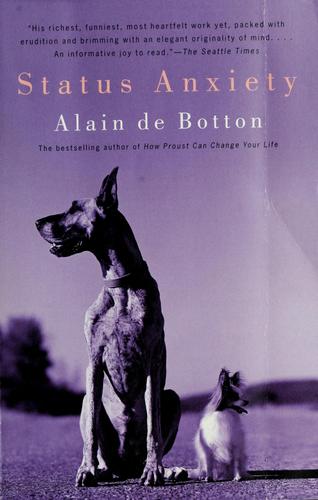
Status Anxiety
Alain de BottonDe Botton examines the modern obsession with what other people think of us, and where it came from. He traces it through Tocqueville, Rousseau, and the Industrial Revolution—the argument is that status anxiety is a relatively recent invention, not a fact of nature. Kinder and more historically grounded than most self-help. The diagnosis is accurate even if you already knew you had the disease.
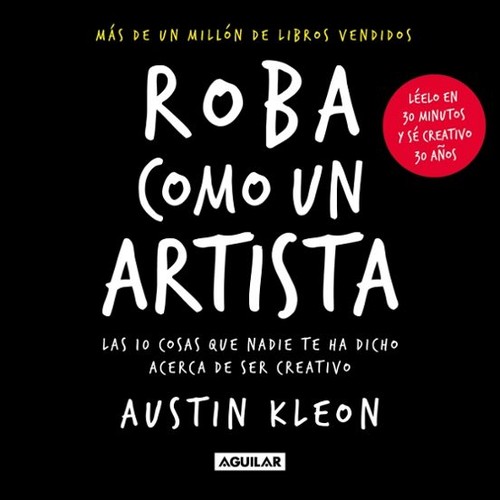
Steal Like an Artist
Austin KleonShort, visual, and unpretentious. Kleon’s argument: nothing is original, so stop waiting for a completely new idea and start working with what you admire. Copy what you love, combine it, and your voice emerges from the collisions. Good entry point for anyone who doesn’t think of themselves as an artist but makes things anyway. You can read it in an hour and start applying it immediately.

Stop Reading the News
Rolf DobelliThe book-length expansion of Dobelli’s essay “Avoid News,” which argues that daily news consumption makes you anxious, poorly informed, and passive. His distinction is useful: news tells you about things you can’t affect, while the information that actually matters to your life arrives through books, conversation, and direct experience. Quit for thirty days and see what you miss. The answer, almost always, is nothing.
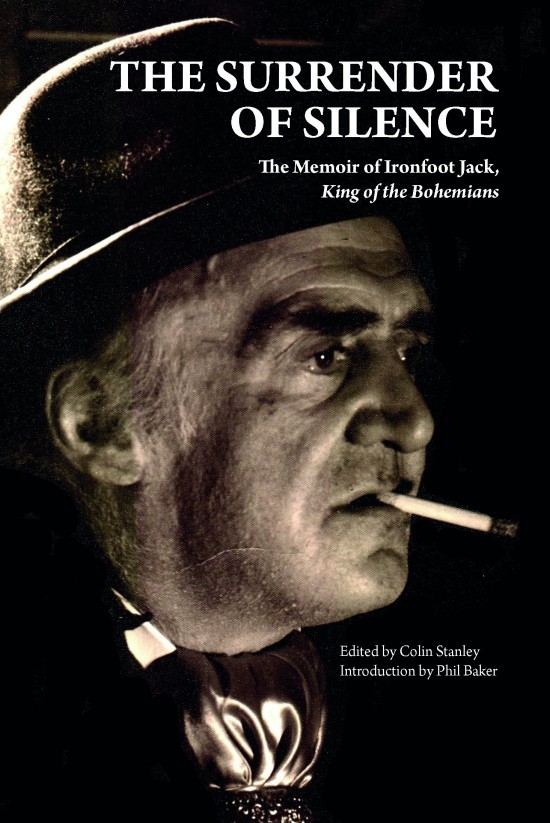
Surrender of Silence
Ironfoot JackIronfoot Jack’s memoir of Soho in the 1930s through 1950s, when bohemia was still a physical address. He was a street entertainer, a vagrant, a fixture of the cafes and bedsits around Fitzrovia. Out of print and hard to find, which is part of the point. The world he describes is gone. That’s precisely why you should read about it.
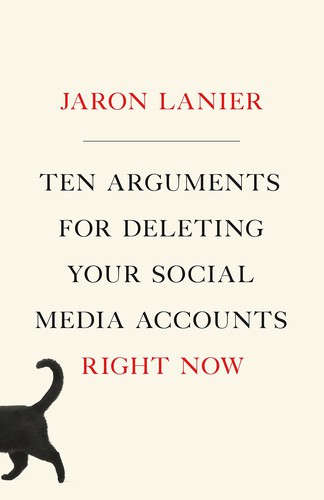
Ten Arguments for Deleting Your Social Media Accounts Right Now
Jaron LanierLanier is a Silicon Valley insider who helped build the technologies he’s now arguing against. His case is methodical: social media makes you unhappy, it makes you mean, it undermines truth, it destroys your capacity for empathy, and the business model depends on all of this continuing. He’s not a crank—he’s a computer scientist who understands exactly how the machinery works and is telling you to step away from it. The shortest and most persuasive book on the subject.
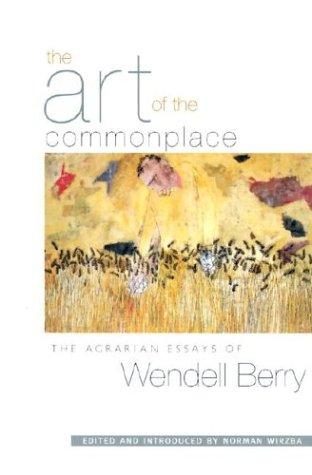
The Art of the Commonplace
Wendell BerryBerry is a farmer in Kentucky who writes essays about land, local economy, and the dignity of manual work. This collection gathers the best of them. He makes the case that caring for a particular place—knowing its soil, its seasons, its people—is a radical act in a culture that treats everywhere as interchangeable. Agrarian bohemianism, if such a thing exists. It does, and Berry is its poet.
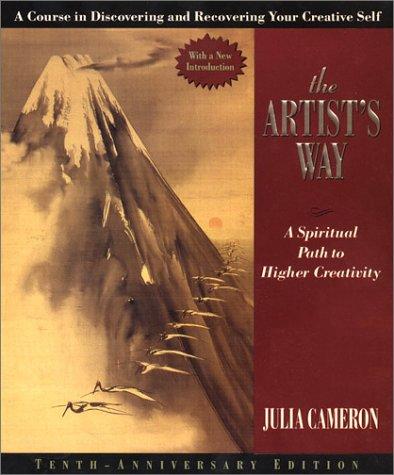
The Artist's Way
Julia CameronCameron’s method is simple: write three pages longhand every morning, take yourself on a weekly solo outing, and do this for twelve weeks. The morning pages clear the debris out of your head so the creative work can surface. The book has a spiritual vocabulary that might not be your thing, but the practice works whether you buy the framing or not. The single most effective tool for unblocking creative people that anyone has come up with.
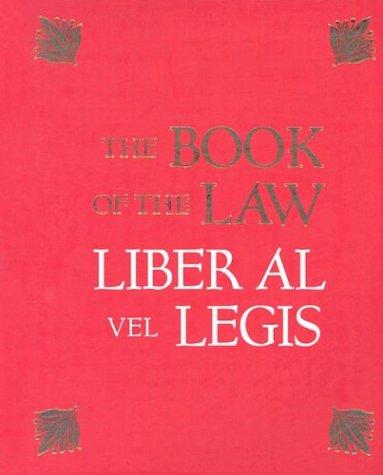
The Book of the Law
Aleister Crowley“Do what thou wilt shall be the whole of the Law.” Whatever you think of Crowley—and there is plenty to think—this slim text is one of the founding documents of personal sovereignty. The law he’s describing isn’t license. It’s the obligation to discover and follow your true will, not the will that was installed in you by convention. Worth reading once, carefully.
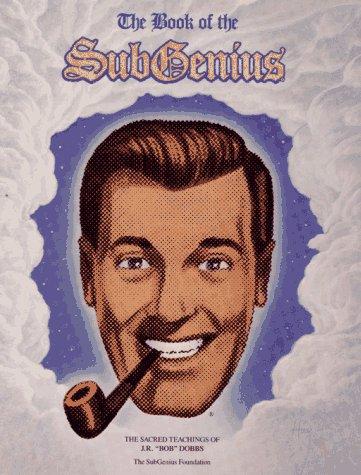
The Book of the SubGenius
Rev Ivan StangA parody religion that isn’t entirely a parody. The theology of “Slack”—the divine right to do exactly what you want, when you want, without apology—is more coherent than most actual religions. Bob Dobbs, the pipe-smoking mascot, grins from the cover with the confidence of a man who has never once felt guilty about anything. That’s the goal.
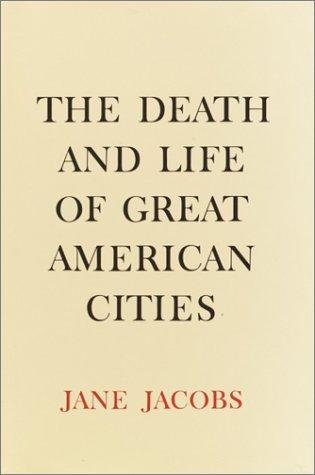
The Death and Life of Great American Cities
Jane JacobsJacobs wrote this in 1961 and it has not aged. She dismantled the entire postwar urban planning consensus—the freeways, the superblocks, the towers in parks—by simply paying attention to how streets actually work. If you want to understand why some neighborhoods feel alive and others feel dead, why walkability matters, why the car was a catastrophe for cities, this is the book. Dense and essential.
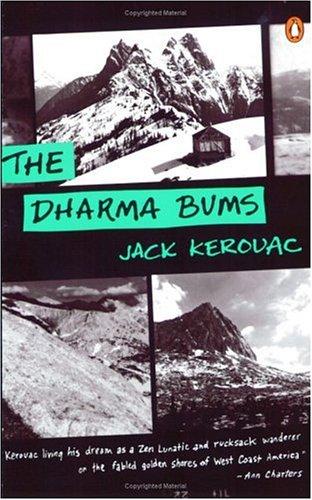
The Dharma Bums
Jack KerouacMore useful than On the Road for anyone interested in voluntary poverty as a practice. Kerouac and Gary Snyder climb mountains, meditate, drink cheap wine, and argue about Buddhism. The passages about living in a shack on a hillside with nothing but a sleeping bag and a few books are the blueprint for every van-dweller and cabin hermit who came after. The prose runs hot and sloppy, which is part of the charm.
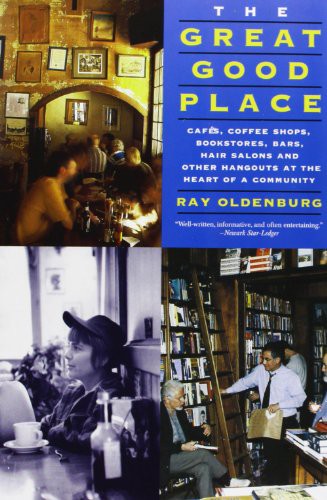
The Great Good Place
Ray OldenburgOldenburg invented the term “third place”—the cafe, the bar, the barbershop, the bookstore—and this book explains why those spaces matter. They’re where community happens without institutional structure, where you run into people by accident, where conversation is the point. He wrote it in 1989 and the places he describes have only gotten rarer since. Read it, then go find yours.
The Outsider
Colin WilsonWilson was twenty-four and sleeping on Hampstead Heath when he wrote this. It’s a study of the creative misfit—the person who sees too much, feels too deeply, and can’t pretend to be satisfied with conventional life. He traces the type through Dostoyevsky, Hesse, Nietzsche, Sartre, and Van Gogh, building a case that the outsider’s restlessness is not a defect but a signal. Published in 1956, still sharp.
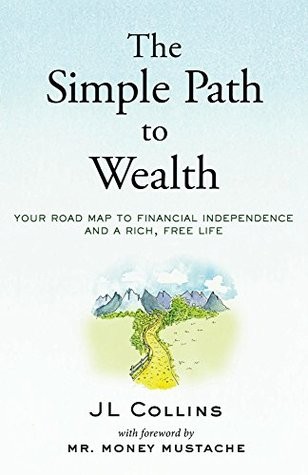
The Simple Path to Wealth
JL CollinsCollins started a blog to teach his daughter about money and it became the clearest, least intimidating guide to index fund investing ever written. His advice fits on a napkin: spend less than you earn, avoid debt, invest the rest in a single total stock market index fund, and ignore the news. No jargon, no tricks, no financial advisor required. If the Neobohemia chapter on building a pension interests you, this is the book-length version.
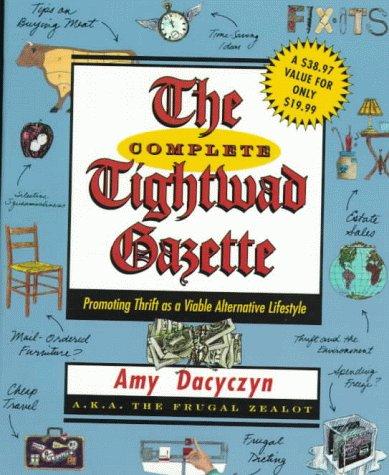
The Tightwad Gazette
Amy DacyczynDacyczyn ran a newsletter in the early nineties dedicated to extreme frugality—not as deprivation, but as creative practice. Hundreds of specific, tested techniques for spending less on everything from groceries to birthday parties to car maintenance. Some of the advice is dated, but the underlying attitude is timeless: every dollar you don’t spend is a dollar of freedom. The density of practical information per page is unmatched.
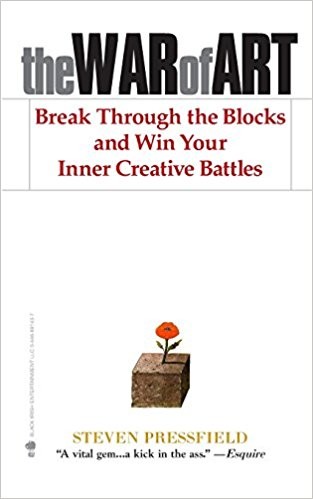
The War of Art
Steven PressfieldThe necessary counterweight to all the idleness books on this shelf. Pressfield names the force that keeps you from doing your work—he calls it Resistance, capital R—and spends a hundred short pages teaching you to fight it. No fluff, no exercises, no journaling prompts. Just a professional writer telling you to sit down and do the thing. Read it in an afternoon, return to it whenever you’re stalling.
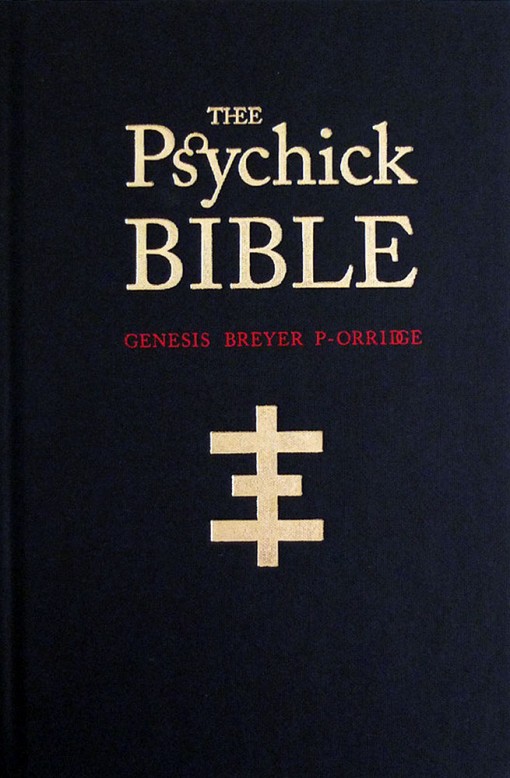
Thee Psychick Bible
Genesis Breyer P-OrridgeThe collected writings of Genesis Breyer P-Orridge, founder of Throbbing Gristle and Psychic TV. Confrontational, visionary, occasionally exhausting, and completely uninterested in your approval. An important document of post-punk occultism and the idea that identity itself is mutable, constructed, and worth dismantling. Not a comfortable read. That’s the point.
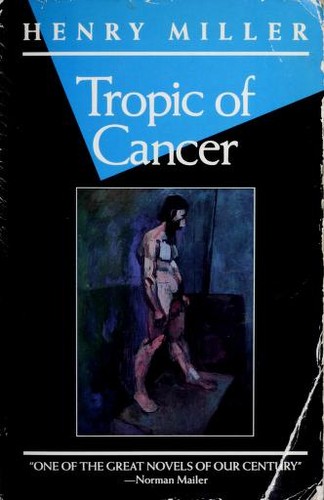
Tropic of Cancer
Henry MillerMiller in Paris, broke and cheerful about it. The most unapologetically free book ever written by an American. He has nothing, he owes rent everywhere, and the prose sings. Read it once and you’ll understand why “starving artist” can be a choice rather than a failure. The poverty is incidental. The freedom is the whole subject.
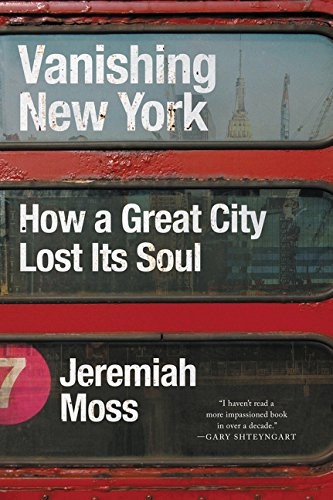
Vanishing New York
Jeremiah MossMoss documents the systematic destruction of New York’s bohemian neighborhoods—the bookshops, the dive bars, the rent-stabilized apartments where artists lived—by money, development, and the particular cruelty of gentrification. A grief book. Also a useful reminder that the places we love are always under threat, and that doing nothing about it is its own kind of choice.
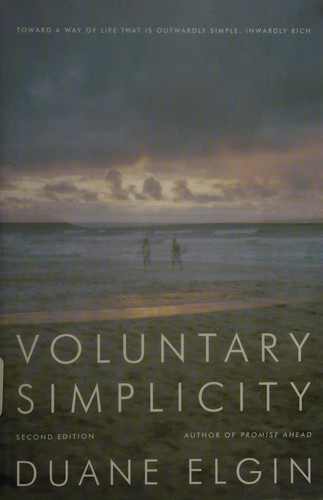
Voluntary Simplicity
Duane ElginElgin coined the term in 1981 and this book is still the most careful articulation of the idea: choosing to live with less not because you have to, but because a simpler material life makes room for a richer inner one. Less polemic than most simple-living books, more philosophical than most self-help. He’s genuinely interested in why people make this choice, not just how.
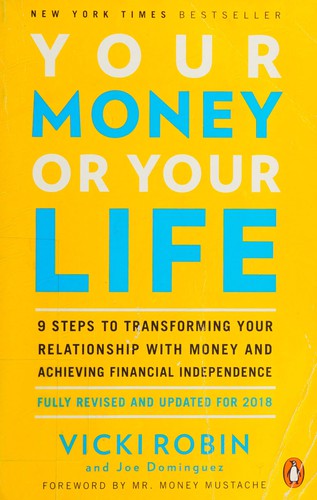
Your Money or Your Life
Vicki RobinThe book that started the financial independence movement before anyone called it FIRE. Robin’s core insight is brutal and simple: money is something you trade your life energy for. Once you calculate your real hourly wage—after commuting, decompressing, and buying work clothes—you start making very different decisions about what’s worth buying. The wall chart alone is worth the read.